
Designed to Belong
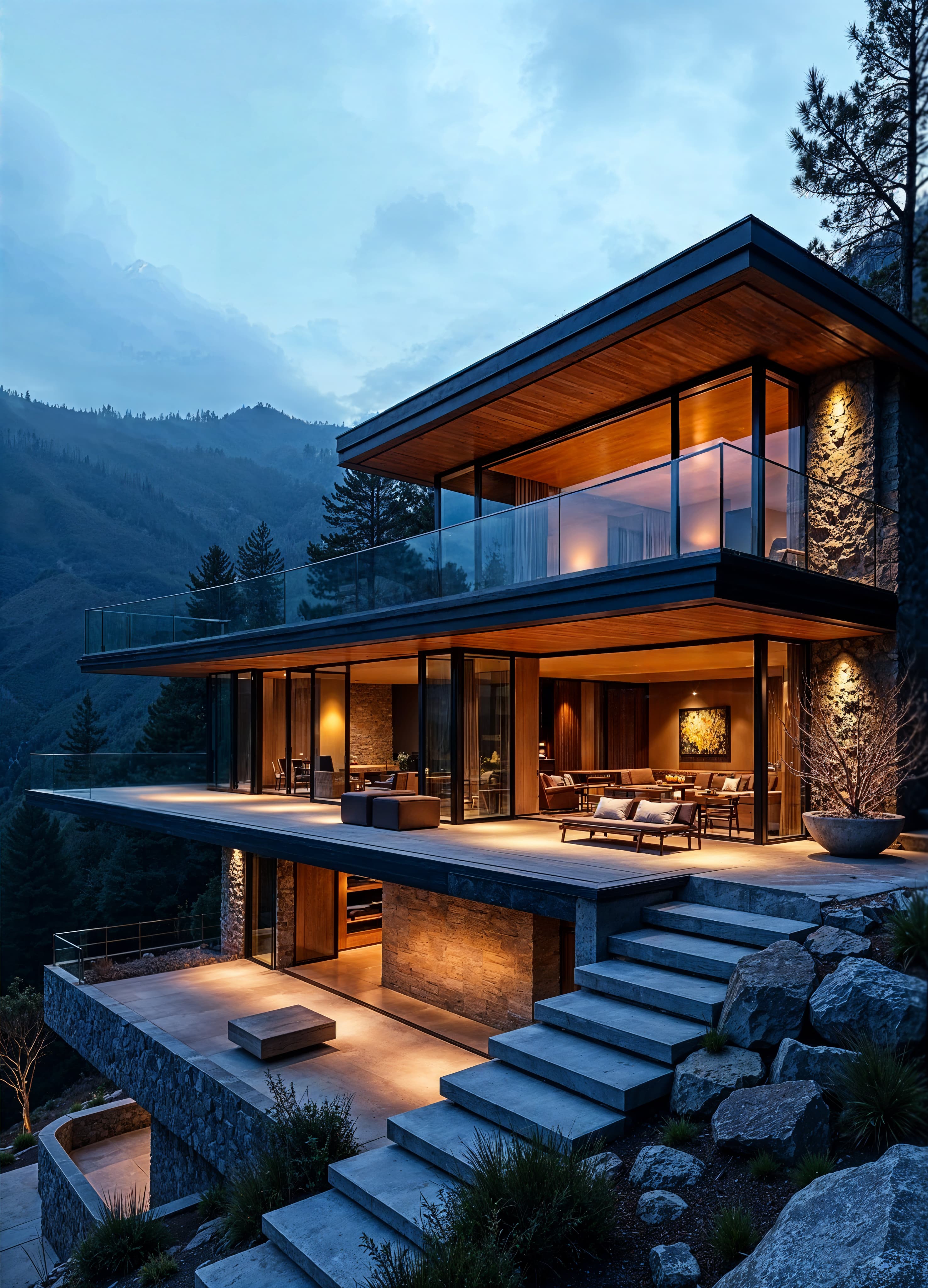
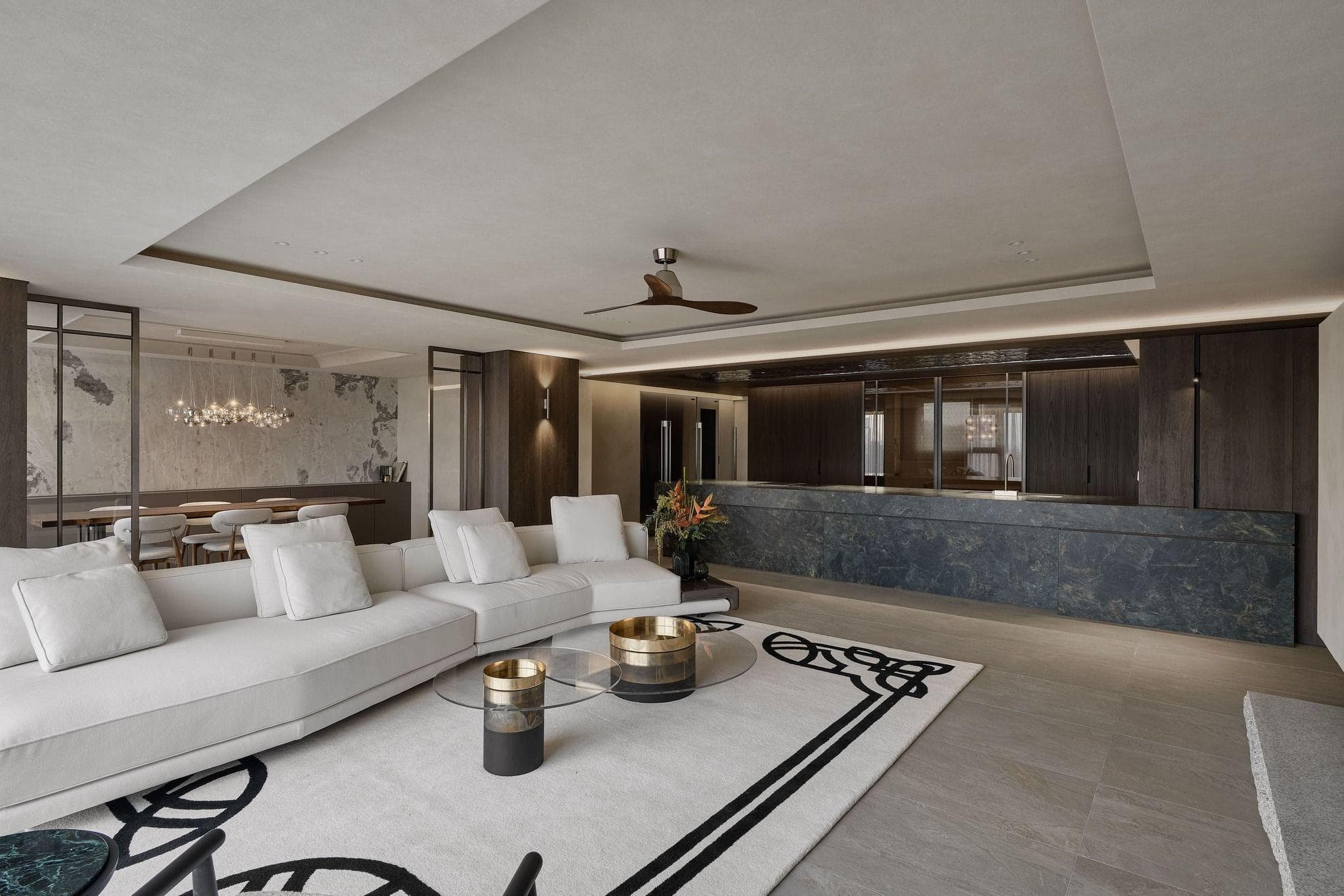
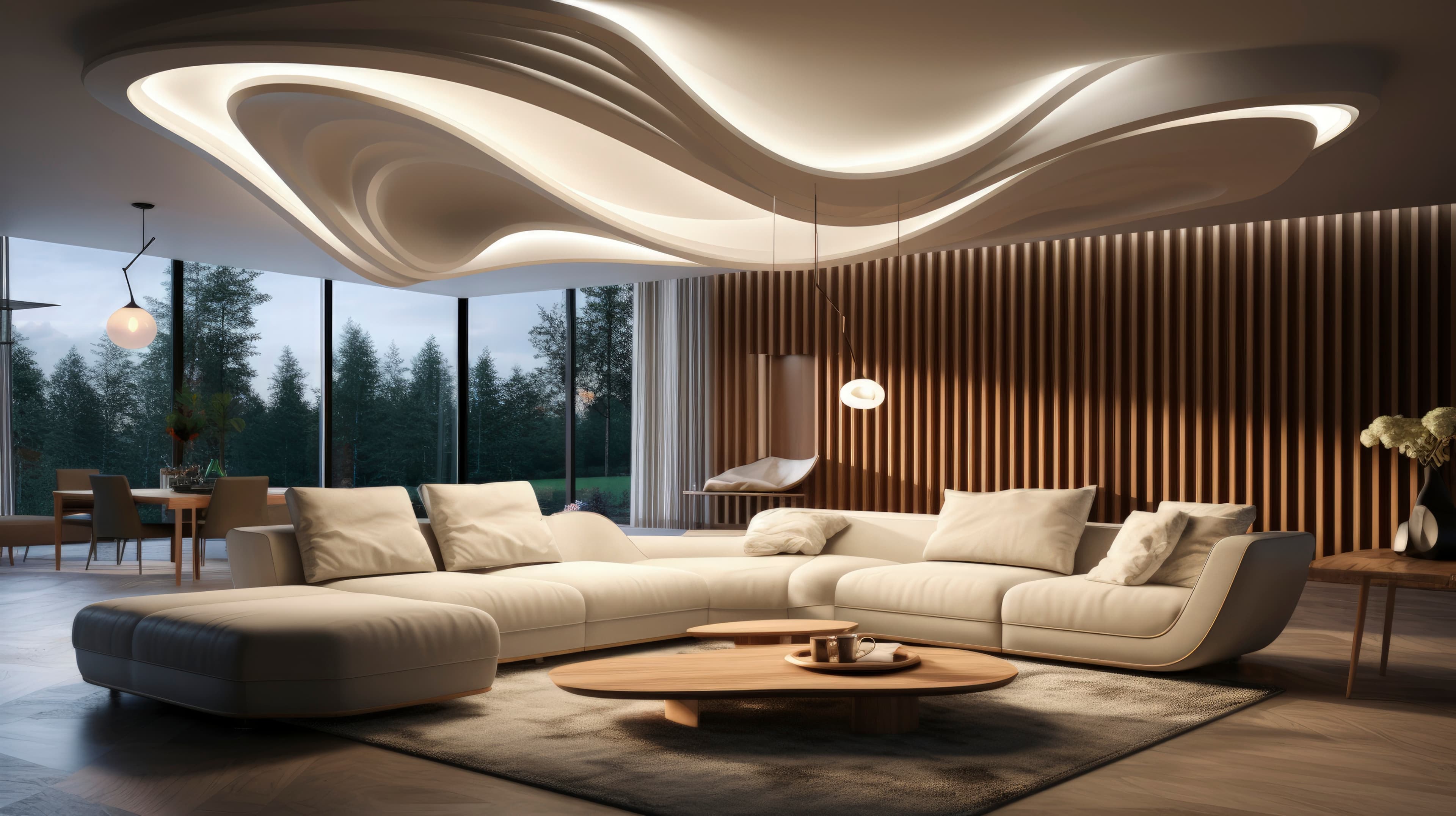
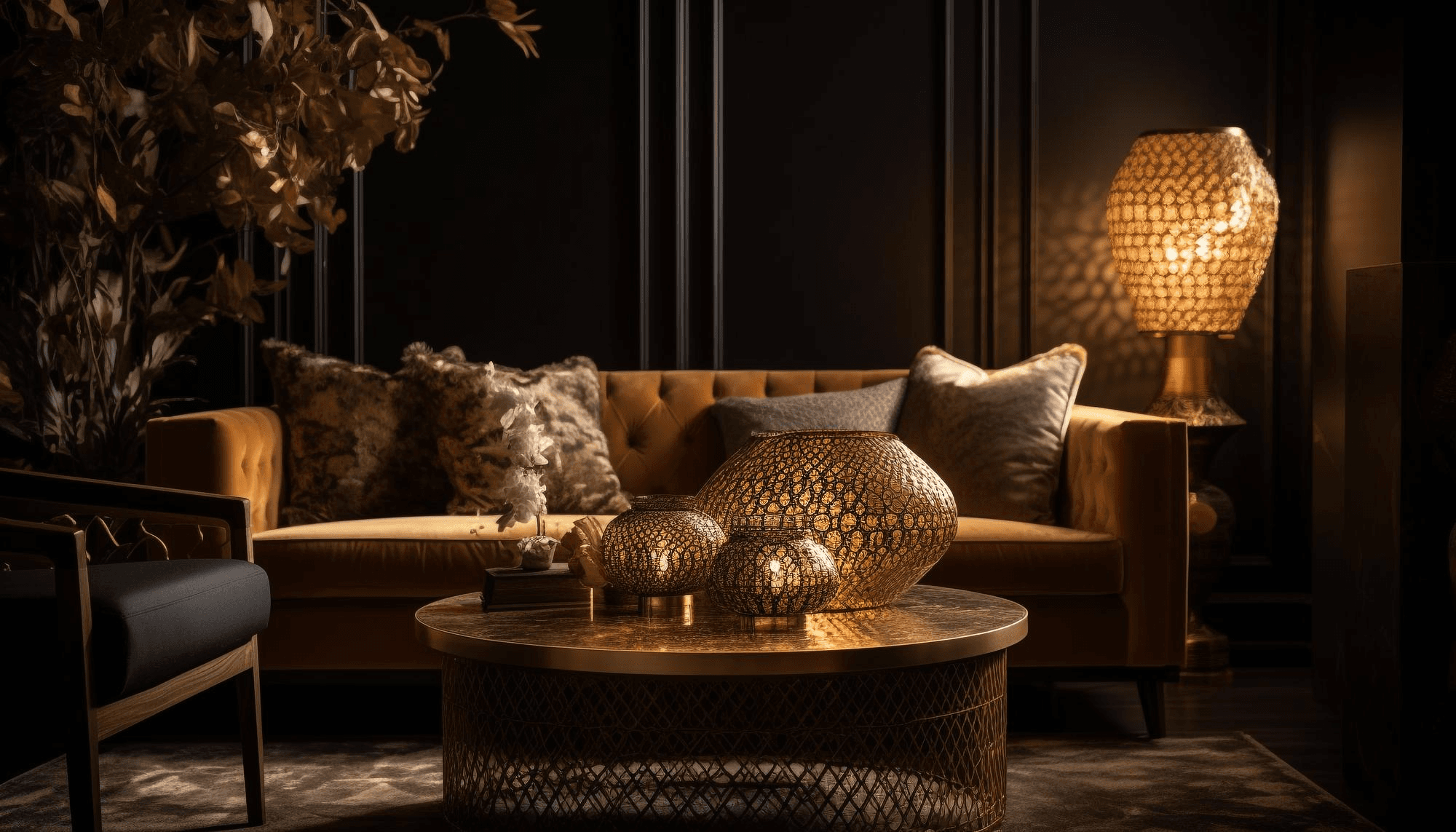
The finest interiors are built on a sense of harmony. Every material, surface, proportion and detail contributes to a larger visual language, creating spaces that feel intentional without ever appearing overly designed. In this environment, even the smallest elements have the opportunity to become part of the architecture.
A switch is one of those details.
Often overlooked because of its practical purpose, the switch is one of the few elements within an interior that people physically interact with every day. It is touched when entering a room, adjusting the atmosphere, turning on a light or creating a particular mood. Its presence may be subtle, but its role is constant.
This makes its design more important than it first appears.
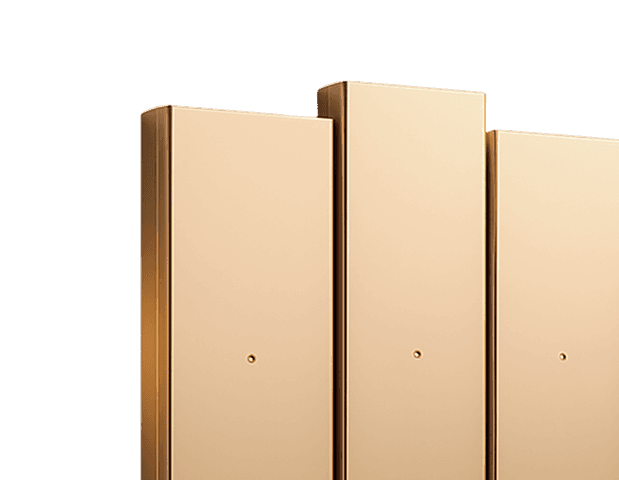
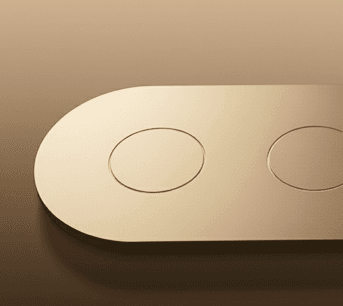
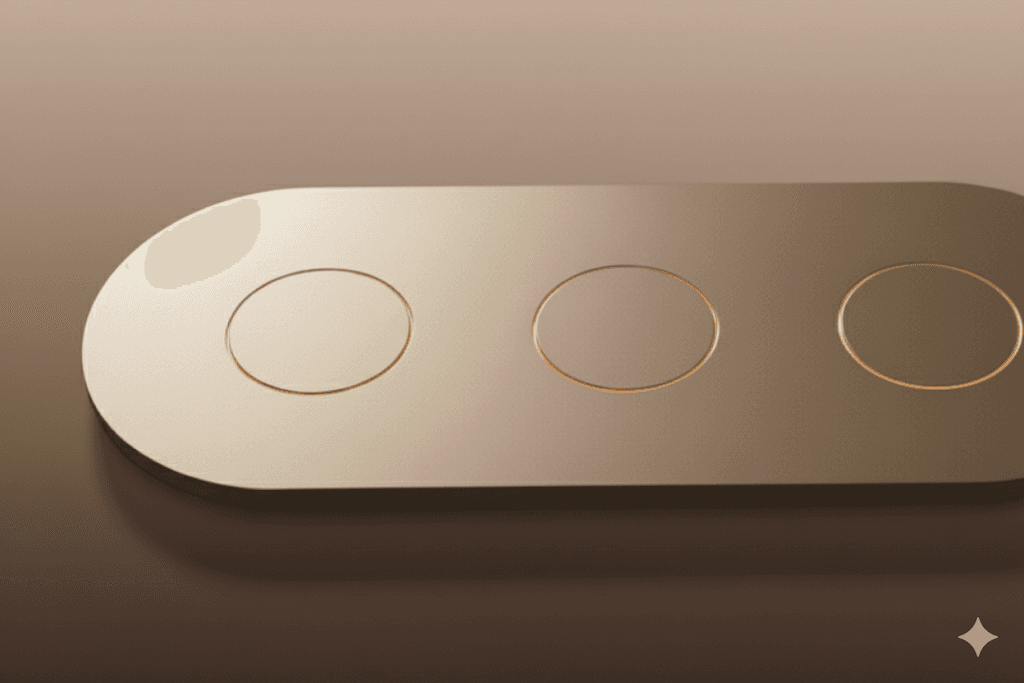
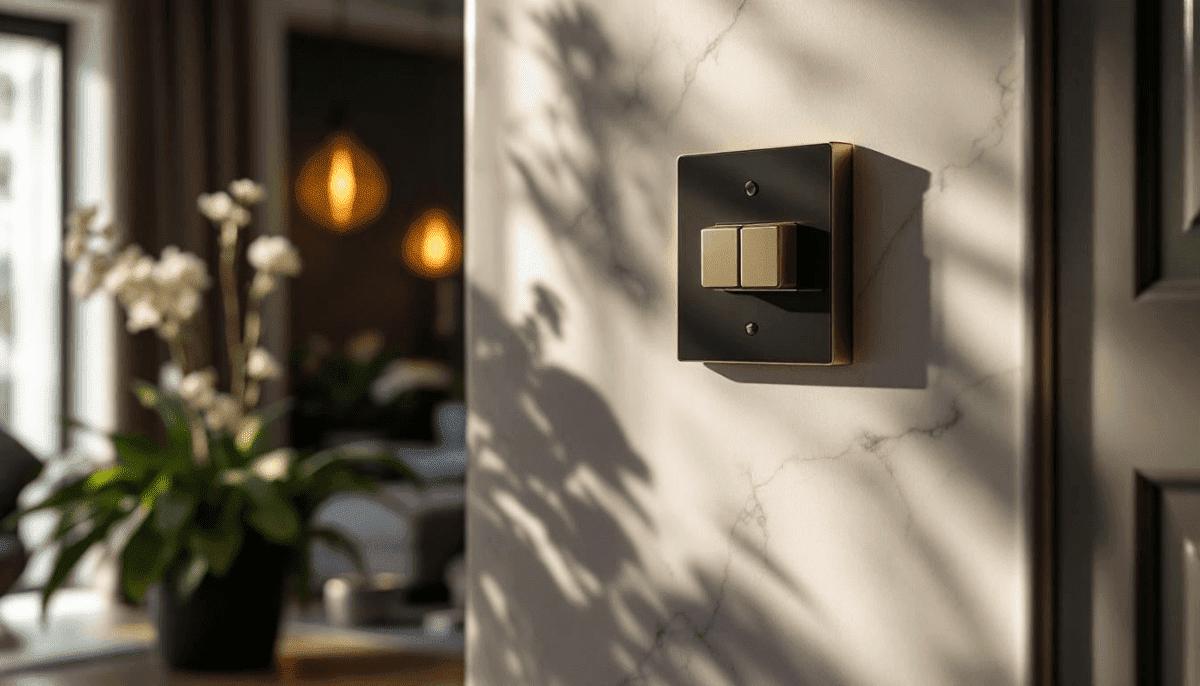
A beautifully considered switch does not compete with the architecture around it. Instead, it belongs naturally within the space. Its proportions can echo the geometry of a wall or piece of furniture. Its finish can complement surrounding metals, stone or timber. Its tactile response can introduce a quiet sense of quality that is experienced rather than simply seen.
Material as a Design Language
Material plays an essential role in creating this connection.
A refined metallic finish can reflect the warmth of architectural hardware and lighting. A darker surface can blend seamlessly into dramatic walls and rich material palettes. Subtle textures can create depth without demanding attention, while carefully selected finishes can provide a sense of continuity throughout an entire interior.
The goal is not to make the switch stand out.
The goal is to make it feel inevitable.
“When every detail shares a relationship with the surrounding environment, the interior becomes more cohesive. Nothing feels randomly placed. Instead, individual elements support one another, creating a quiet visual rhythm that can be felt throughout the space.
”
Designed for the Everyday
Luxury is often associated with what we see, but genuine refinement is also found in what we experience.
The movement of a switch should feel deliberate. The pressure required to activate it should feel balanced. The surface should feel considered beneath the fingertips. Even the subtle sound of its engagement can contribute to the overall experience.
These moments may last less than a second, yet they are repeated countless times.
That repetition gives everyday objects an unusual importance.
A beautifully designed switch transforms a routine interaction into a small moment of connection between the user and the space. It becomes an object that feels natural to touch, satisfying to use and visually consistent with its surroundings.
A Quiet Statement
Not every statement needs to be loud.
“In sophisticated interiors, the most memorable details are often the ones that reveal themselves slowly. A carefully chosen material. A precise edge. A subtle reflection. A perfectly proportioned surface.
”
The switch can belong to this same category.
It can become a quiet statement of craftsmanship—one that does not interrupt the room but completes it.
When design, material and functionality come together with intention, even the smallest architectural elements can contribute to the character of an interior.
Because true luxury is not simply about adding more.
It is about considering everything.